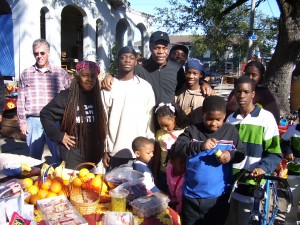
Over three years of oral history and candid footage was shot by Michael Woods.
Half of the collection pertains to the Repopulation Era, 11.11.05 – 3.1.06, respectfully documenting this surreal period from the Mathieu Family, Mama D, Rollin Garcia (aka Bullet), Angi Bachemin and volunteers’ 7th Ward points of view. We followed them all up to Hurricane Gustav 9.1.08. A documentary film project in development is “The 7th Ward”. Our mission is to capture the essence of surviving in that just lost 90% of its population to exile, reflecting back from Gustav.
Michael Woods, Lead Researcher
michael@thecontraflow.org
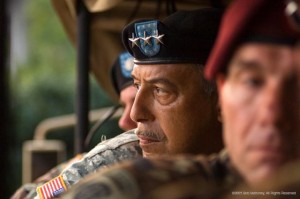
During the Summer of ’07, I made another major research move by reaching out to the US armed services. To my surprise I was very successful with gaining clearance from PAOs to interview their personnel.
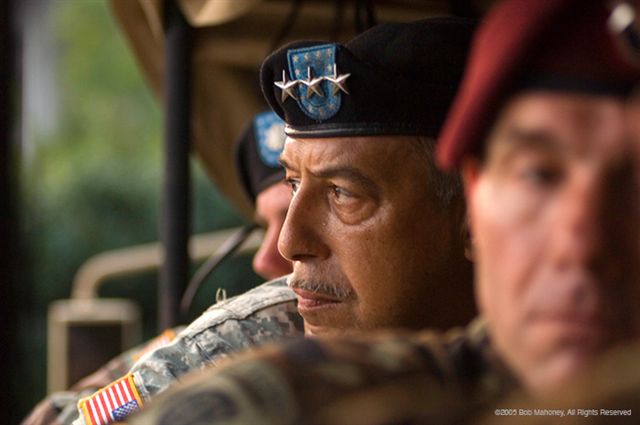
The KY ANG 123rd STS very supportive. USCG approval 7.03.07, interviewing pilots LT Shay Williams, LCDR Olav Saboe and CAPT Bruce Jones, and a cutter CO LT (CWO4) Dave Lewald. US Army approval 1.10.08; I interviewed 5th Army responders, including LTC Joanne McGovern, MG Mark Graham, as well as 82nd AB CAPT Jason Holder, COL Barry DiRuzza and COL Victor Petrenko; and LTG William CaldwellUSAF approval 4.24.08 I interviewed LTC Gary Cooke who flew a C-5 into MSY and to his surprise flew out with 200 evacuees in his cargo hold. US Navy approval 8.18.08; I interviewed CDR Paul Propokovich, CAPT Lafe Dozier and Rear Admiral Nora Tyson.
They all appreciated my taking the time to include the military in this epic story. Like the FEMA DMAT and US&R responders, the armed services were very supportive and proved to be a wealth of information. Research data received by the government was vital to building our intricate Katrina timeline of contexts and events.
M. Darryl Woods, Lead Researcher
thecontraflow@yahoo.com
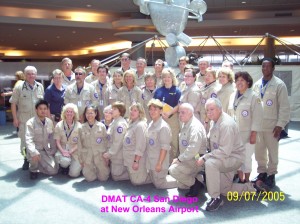
On 12.11.08, I set out on a cross-country journey to interview in person FEMA medical and US&R responders teams in cities such as San Diego, San Francisco, Seattle and Memphis, as well as Helinet Aviation in Van Nuys, the Katrina pool helicopter crew during the first week.
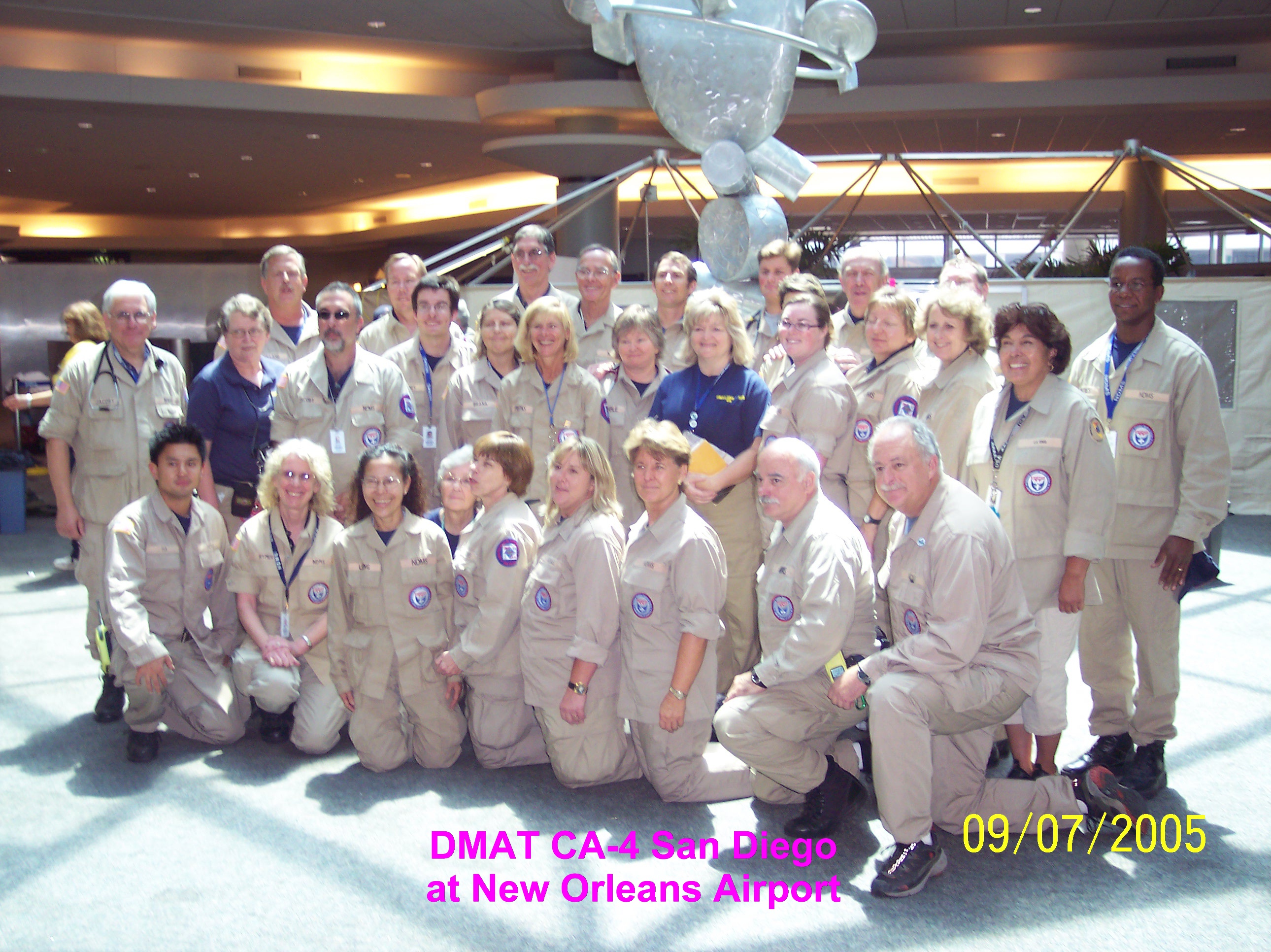
During the visit to DMAT CA-4 (Disaster Medical Asst Team) Operations Center in San Diego, I was greeted by about fifteen team members who were happy to hear that someone was taking the time to tell the story from the from the responders’ points of view.
This was the beginning of our transition to documenting the federal response to Katrina. We gained cooperation from the USFWS, USMS, CBP, USACE and more FEMA responder units. Also, the FAA Mgr Dave Haddad explained what life was like above and below MSY’s ATC Tower. With the support of the federal government came detailed accounts via after-action reports, Power Point presentations, photos, videos, charts, maps and reports. It helped us complete our mission to thoroughly document the first two weeks of Katrina in a very detailed chronological format. This support has also allowed us to map the flow of responders into SE Louisiana.
M. Darryl Woods, Lead Researcher
thecontraflow@yahoo.com
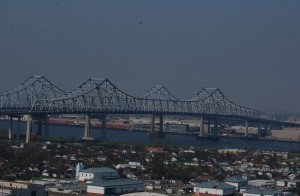 The research spread to St. Bernard and Plaquemines parishes, the Westbank and Baton Rouge.
On 6.28.07 Dwight Brashear, who was brought in to run the transportation desk marshaling commandeered school buses, described the scene at the state OEP to me. On 12.28.07, I interviewed Lt. Gov. Mitch Landrieu who relived a night when he drove one of eight buses filled abandoned Superdome evacuees in a convoy to Lafayette. I interviewed Gretna PD Chief Arthur Lawson on 8.12.08, and Gretna Mayor Ronnie Harris on 8.22.08, who both helped shed light on ‘another chapter’. I also interviewed LAANG CWO5 Kevin Dares, and his brother and fellow Katrina responder retired LDWF MAJ Sandy Dares.
M. Darryl Woods, Lead Researcher
thecontraflow@yahoo.com
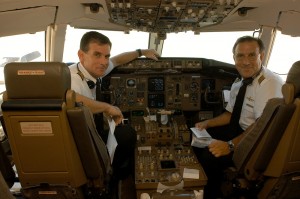
Coming to what I believed was the end of my research, I had just one question, which was for Delta Airlines. Why were the Omaha-bound evacuees not informed of their destination until before landing?
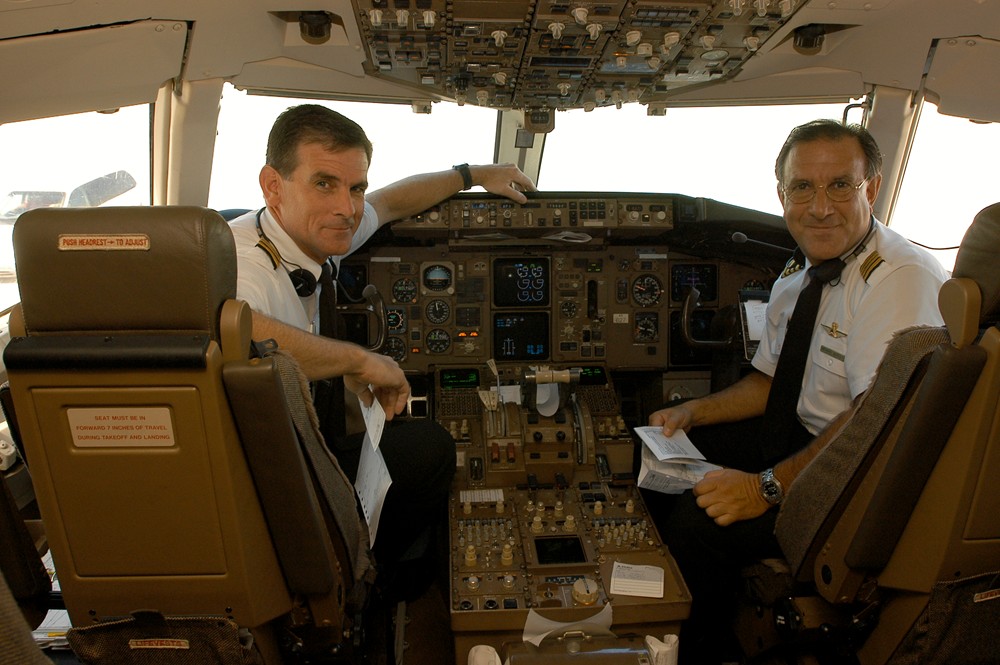
To my surprise, I was granted an interview by two Delta executives on 7.7.06, who as 757 pilots flew Delta CEO Gerald Grinstein into Armstrong Airport on a humanitarian mission to deliver provisions and pick up evacuees. After hearing Capt. Joe Kolshak and Capt Mike Quiello’s amazing heartfelt accounts, my 7th Ward blinders were removed and Armstrong Airport quickly became the next major focus of our research.
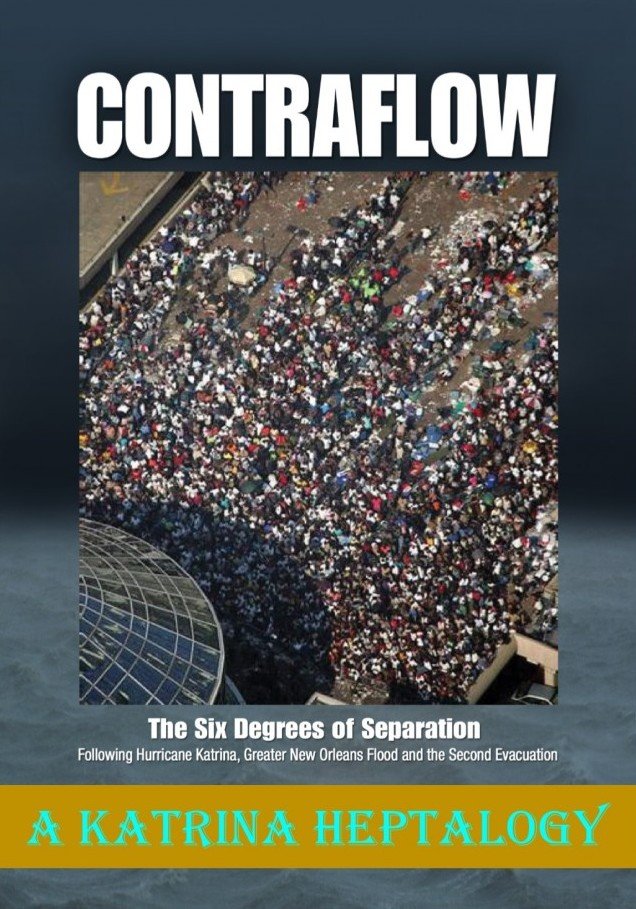
I then started documenting other parts of the city such as Algiers, Lakeview, 9th Ward, N.O. East. It was then when I started comprehending evacuees migration pattern out of the city through major collection points like the Superdome, Morial Convention Center, Algiers Point Ferry Terminal, I-10 & Causeway and MSY. It was the beginning of my six-phased evacuation theory.
M. Darryl Woods, Lead Researcher
thecontraflow@yahoo.com
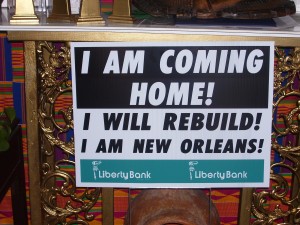
On 11.11.05, I landed in New Orleans for what was scheduled to be a four-day visit. Armed with a video camera, I was given a tour by Mathieu of his devastated hometown. It was a disaster zone like no other. There were tens of thousands of damaged homes and virtually no signs of life.
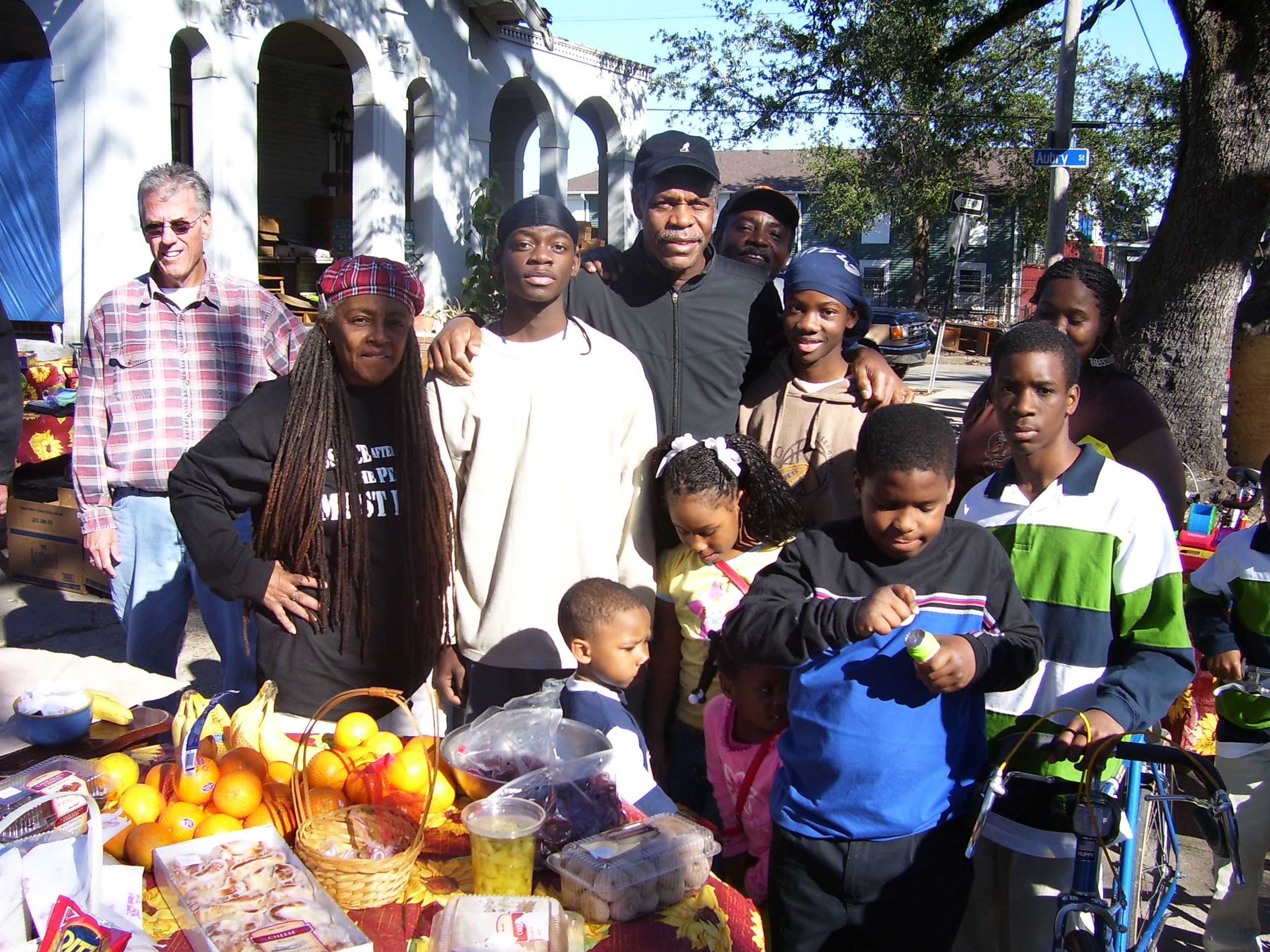
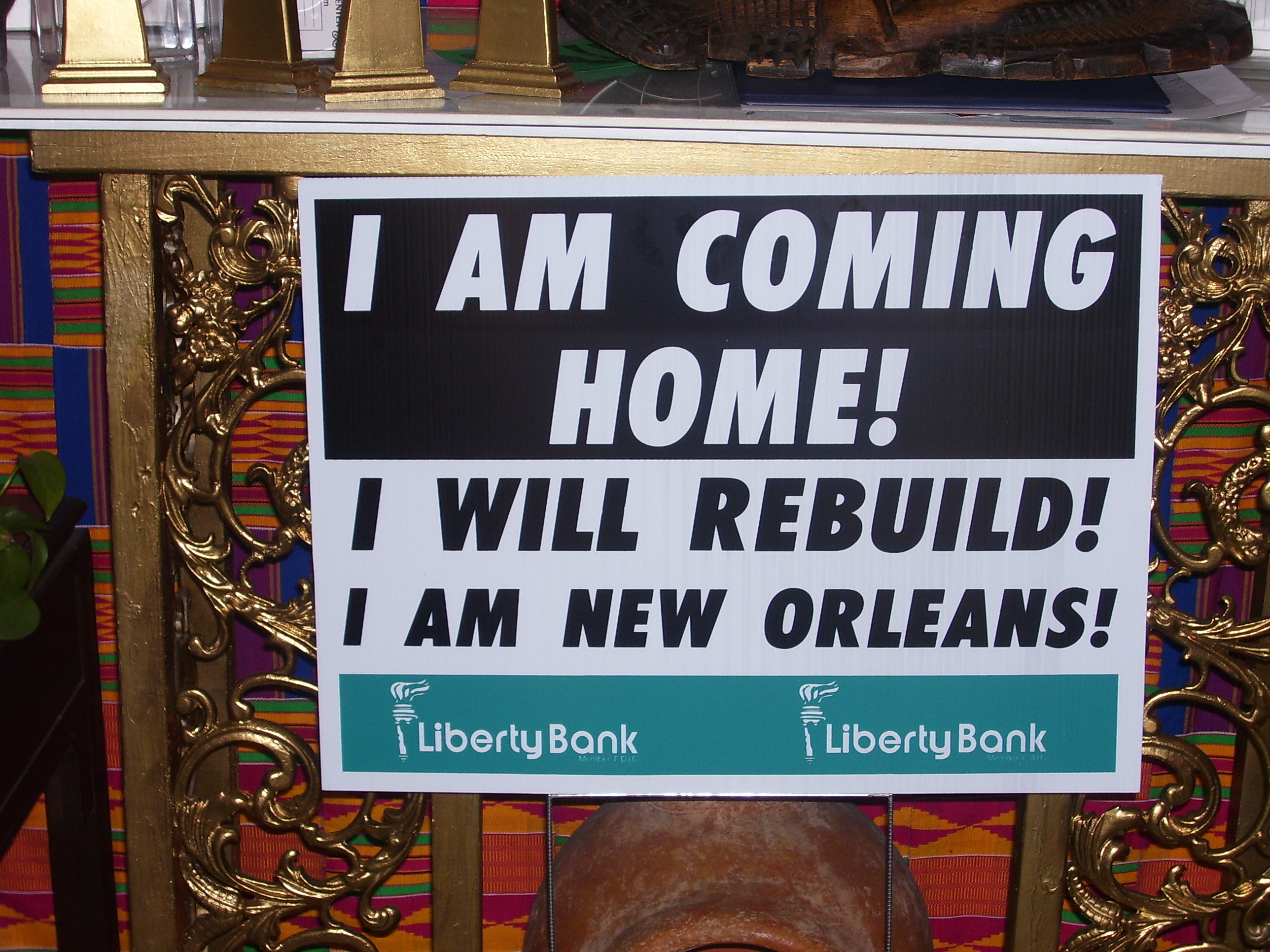
Eventually, we came upon a “camp” that was bustling with two dozen volunteers. It was the home of a community leader named Dyan French Cole, aka Mama D, who invited me to stay. All I had to do was wake up, turn on the camera and walk outside. People came from near and far to see Mama D. I soon branched out from her home base camp and went on to document the repopulation of New Orleans. I listened to over 1,000 relief workers and returning survivors. It was during this surreal period leading up to Mardi Gras, 2.28.06, that I found myself becoming a literary advocate for the Katrina survivors.
M. Darryl Woods, Lead Researcher
thecontraflow@yahoo.com
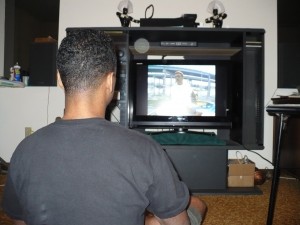
I finally had enough after ten days. On 9.7.05, I dropped everything and joined the Karina relief effort. My people in Las Vegas understood this was something I had to do. The plan was to volunteer at Moody UMC in Galveston. But after being told by family members just after landing at IAH that evacuees were heading north to the Heartland, I decided to catch the last flight out to my hometown of Omaha.
I spent the next three days trying to match evacuees in Texas with Nebraskans offering help. One woman said “will you please bring me a family back from Texas?” Then low and behold the last two evacuation flights of New Orleans landed in Omaha on 9.10.05.
Aboard the first plane was a man named Rick Mathieu, Sr., from the Treme area of New Orleans. He and his brother, Manny Mathieu, rode out the disaster on a 7th Ward church annex rooftop using their own boats to rescue neighbors. Rick asked me to help find Manny and document their time in the flood waters. I spent many nights listening to his Katrina war stories and learning the vernacular. Rick returned home on 11.1.05 to check on his 7th Ward and Treme homes. He encouraged me to follow him down and bring a camera to document the destruction and resiliency.
M. Darryl Woods, Lead Researcher
thecontraflow@yahoo.com










TCP Responses